Fitness a sport

Články v této kategorii se zaměřují na trénink, pohyb a sportovní výkon. Najdete zde tipy pro silový i funkční trénink, street workout i obecné zásady, které pomáhají zlepšovat kondici a dlouhodobé výsledky.

Výpis článků

Home Workouts: An Effective Way to Stay Active
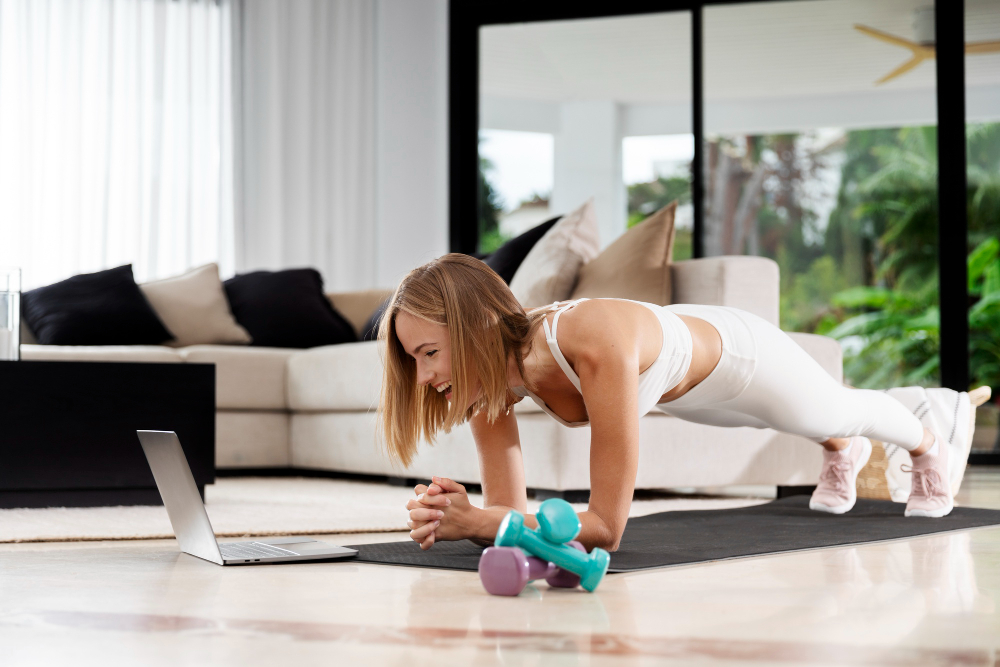
Home workout


Working out at home has become a common part of an active lifestyle. It offers flexibility, saves time, and allows training to be adapted to individual needs. When set up correctly, home workouts can be fully effective and deliver long-term results—whether the goal is improving fitness, building strength, or supporting overall health.

Why Home Workouts Make Sense

The main advantage of exercising at home is the ability to train at any time, without commuting or relying on gym equipment. This makes it easier to maintain consistency, which is the key to progress. Home workouts also allow you to focus on proper technique and your own pace without external distractions.

How to Start Working Out at Home

A realistic approach is the foundation of success. Home training does not require complex equipment or long workout sessions. Consistency and proper exercise execution are more important than duration. To get started, it is enough to schedule a few shorter workouts per week and gradually increase their intensity according to your abilities.

The environment also plays an important role. A small space where you can move freely and focus on training is sufficient. Comfort and a calm atmosphere help maintain motivation and create a stronger connection to the workout itself.

What Types of Exercise Are Suitable for Home Workouts

Home workouts are ideal for bodyweight training. This type of exercise engages multiple muscle groups at once and supports coordination and stability. In addition to strength exercises, conditioning workouts focused on endurance and overall mobility also have an important place.

Listening to your body’s signals and adjusting the load to your current fitness level is essential. Gradual progression is more effective than sudden or extreme changes.

How to Stay Motivated When Training at Home

One of the challenges of home workouts is maintaining long-term motivation. Having a clear goal helps, as does understanding that even short workouts are valuable. Regular movement gradually becomes a natural part of daily life and brings not only physical but also mental benefits.

Tracking progress can further boost motivation. Improvements may not be immediately visible on the scale, but they often show up as better overall well-being, increased strength, or higher energy levels throughout the day.

The Role of Recovery and Nutrition

As with gym training, recovery is an essential part of the process when exercising at home. Adequate sleep, balanced nutrition, and regular rest allow the body to adapt to training stress and improve performance.

Nutrition should match training goals. A sufficient intake of quality nutrients supports muscle recovery and overall vitality, which positively affects the effectiveness of home workouts.

Summary

Home workouts are an accessible and effective way to improve fitness and health. They do not require special equipment or complicated plans, but rather consistency, a sensible approach, and patience. When set up correctly, home training can be sustainable in the long term and deliver real results.

 

Ab Exercises: How to Train Your Abs Effectively

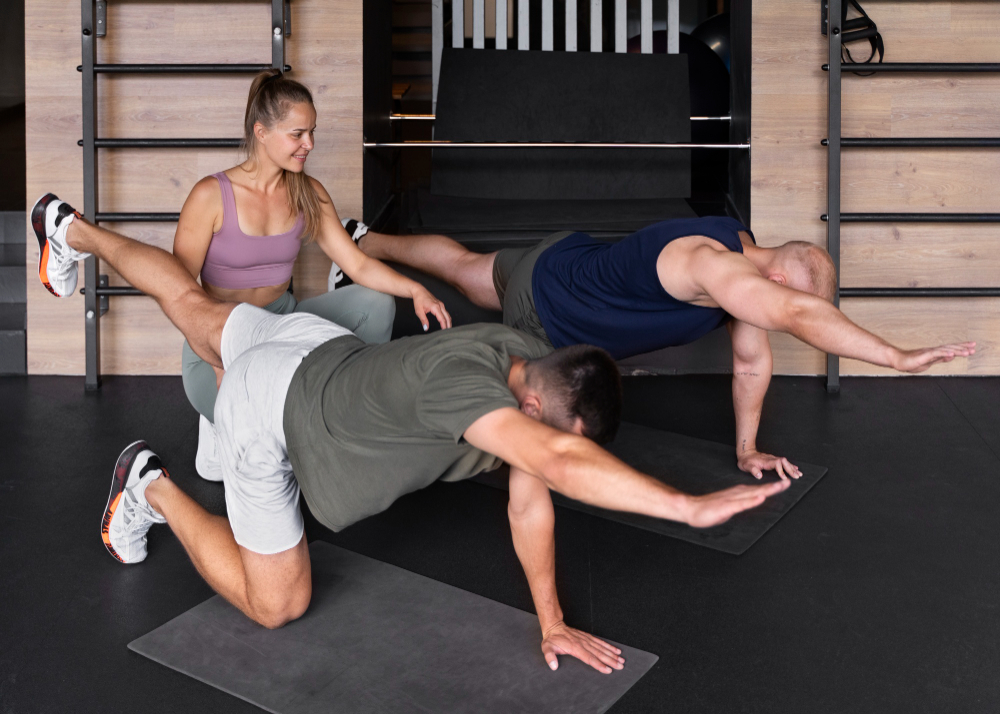
Abs workout

Ab exercises are among the most common parts of both home workouts and gym training. Many people include them with the goal of toning their body or achieving visible abdominal muscles. However, for training to deliver real results, it is important to understand how the abdominal muscles work and how to approach their training correctly.

The Role of the Abdominal Muscles

Abdominal muscles are not just about appearance. They are part of the core, which provides stability, supports proper posture, and transfers force during movement. A strong core helps protect the spine, improves athletic performance, and makes everyday movements easier.

For this reason, ab exercises should be seen not only as a way to improve appearance, but primarily as a functional component of overall training.

How to Train Abs Effectively

Proper technique is essential when training the abs. Uncontrolled and fast movements often lead to overload of the lower back and activation of incorrect muscle groups. Effective ab training focuses on slow, controlled execution, engaging the deeper core muscles.

Consistency is also key. Short but regular ab workouts performed several times per week bring better results than occasional, long training sessions.

Common Mistakes in Ab Training

One of the most common mistakes is focusing on only one type of movement while neglecting other parts of the core. Another issue is performing a high number of repetitions without proper technique control. This approach reduces training effectiveness and increases the risk of overuse or injury.

It is also important to understand that ab exercises alone do not automatically burn fat in the abdominal area. Visible abs are always the result of a combination of training, overall physical activity, and balanced nutrition.

How Often to Train Abs

Abdominal muscles are involved in many movements even outside targeted training. Therefore, it is not necessary to train them every day. For most people, including ab exercises a few times per week as a supplement to strength or functional training is ideal.

Allowing enough time for recovery helps muscles strengthen and adapt to training load, which is essential for long-term progress.

The Importance of Nutrition and Recovery

A toned midsection is not achieved through exercise alone. Overall lifestyle plays a major role, especially nutrition and recovery. A balanced intake of nutrients supports muscle repair, while sufficient sleep allows the body to respond effectively to training stimuli.

The combination of movement, a sensible approach to training, and long-term consistency is the key to both visible and functional results.

Summary

Ab exercises are an important part of a healthy and balanced training routine. When performed correctly, they help strengthen the core, improve stability, and support overall performance. The key to success is not the number of exercises, but their quality, consistency, and integration into a healthy lifestyle.


Strengthening the Core: The Foundation of Healthy Movement

Central body workout

A strong core is one of the most important foundations of healthy movement. It is not just about the appearance of the abdominal muscles, but about the coordination of muscles that stabilize the spine, transfer force between the upper and lower body, and support everyday movement. A properly strengthened core helps prevent back pain and improves overall body functionality.

What Does a Strong Core Mean?

The core includes not only the superficial abdominal muscles, but also deeper stabilizing muscles that work continuously during movement. These muscles are responsible for balance, control, and proper posture. If they are not sufficiently activated, compensations can occur, which may lead to overload or discomfort during exercise as well as in daily activities.

How to Approach Core Strengthening

Strengthening the core is not about one specific exercise or a short period of training. It requires a regular and mindful approach to movement. Engaging the core muscles during every activity—whether strength training, bodyweight exercises, or everyday movement—is essential.

Quality of execution is more important than the number of repetitions. Controlled movement, stable positioning, and proper breathing help activate deep muscles and significantly increase training effectiveness.

Common Mistakes in Core Training

One common mistake is focusing only on superficial muscles while neglecting the deep stabilization system. Another frequent issue is striving for quick results without sufficient attention to technique. This approach can lead to unnecessary strain on the lower back or hips.

Proper core strengthening is a gradual process that requires patience and consistency.

The Importance of Breathing and Recovery

Breathing plays a key role in core engagement. Proper breathing supports stability and helps maintain muscle tension during movement. Recovery is equally important, as it allows muscles to adapt to training load and improve their function.

Adequate sleep and a balanced lifestyle have a significant impact on effective core strengthening.

Summary

Core strengthening is the foundation of healthy movement, athletic performance, and injury prevention. It is not a short-term goal, but a long-term approach to movement and self-care. Consistency, correct technique, and proper recovery lead to stable and sustainable results.

Jak zpevnit střed těla: základ pro pohyb, výkon i zdraví

 Central body workout

Zpevněný střed těla je jedním z nejdůležitějších předpokladů zdravého pohybu. Nejde pouze o vzhled břicha, ale o souhru svalů, které stabilizují páteř, přenášejí sílu mezi horní a dolní částí těla a podílejí se na každodenních pohybech. Správně posílený střed těla pomáhá předcházet bolestem zad a zlepšuje celkovou funkčnost těla.

Co znamená zpevněný střed těla

Střed těla zahrnuje nejen povrchové břišní svaly, ale také hlubší stabilizační svaly, které pracují neustále během pohybu. Tyto svaly zajišťují rovnováhu, kontrolu a správné držení těla. Pokud nejsou dostatečně aktivní, dochází ke kompenzacím, které mohou vést k přetížení nebo nepohodlí při cvičení i běžných činnostech.

Jak přistupovat ke zpevnění středu těla

Zpevnění středu těla není otázkou jednoho cviku nebo krátkého období. Vyžaduje pravidelný a vědomý přístup k pohybu. Důležité je zapojení svalů středu těla při každém cvičení, ať už se jedná o silový trénink, cvičení s vlastní vahou nebo běžný pohyb během dne.

Kvalita provedení je zásadnější než množství opakování. Kontrolovaný pohyb, stabilní pozice a správné dýchání pomáhají aktivovat hluboké svaly a zvyšují efektivitu tréninku.

Nejčastější chyby při posilování středu těla

Jednou z častých chyb je zaměření se pouze na povrchové svaly a opomíjení hlubokého stabilizačního systému. Dalším problémem bývá snaha o rychlé výsledky bez dostatečné kontroly techniky. Takový přístup může vést ke zbytečnému přetížení zad nebo kyčlí.

Správné zpevnění středu těla je postupný proces, který vyžaduje trpělivost a konzistenci.

Význam dechu a regenerace

Dech hraje při práci se středem těla klíčovou roli. Správné dýchání podporuje stabilitu a pomáhá udržet napětí ve svalech během pohybu. Stejně důležitá je regenerace, která umožňuje svalům adaptovat se na zátěž a zlepšovat svou funkci.

Dostatek spánku a vyvážený životní styl mají na zpevnění středu těla výrazný vliv.

Shrnutí

Zpevnění středu těla je základem zdravého pohybu, sportovního výkonu i prevence zranění. Nejde o krátkodobý cíl, ale o dlouhodobý přístup k pohybu a péči o vlastní tělo. Pravidelnost, správná technika a respektování regenerace přinášejí stabilní a udržitelné výsledky.

Jak cvičit doma: efektivní trénink bez posilovny

Home workout 

Cvičení doma je dnes běžnou součástí aktivního životního stylu. Nabízí flexibilitu, úsporu času a možnost přizpůsobit trénink vlastním potřebám. Správně nastavený domácí trénink může být plnohodnotný a dlouhodobě přinášet výsledky, ať už je cílem zlepšení kondice, posílení svalů nebo podpora celkového zdraví.

Proč má domácí cvičení smysl

Hlavní výhodou cvičení doma je možnost trénovat kdykoliv, bez nutnosti dojíždění a bez závislosti na vybavení fitness centra. Díky tomu je snazší udržet pravidelnost, která je klíčem k pokroku. Domácí trénink navíc umožňuje soustředit se na techniku a vlastní tempo bez rušivých vlivů okolí.

Jak začít cvičit doma

Základem úspěchu je realistický přístup. Domácí trénink nevyžaduje složité vybavení ani dlouhé tréninkové jednotky. Důležitější než délka je pravidelnost a správné provedení cviků. Pro začátek postačí vyhradit si několik kratších tréninků týdně a postupně zvyšovat jejich náročnost podle vlastních možností.

Velký význam má také prostředí. Stačí malý prostor, kde se můžete volně pohybovat a soustředit se na cvičení. Komfort a klid pomáhají udržet motivaci a lepší propojení s tréninkem.

Jaký typ cvičení je pro domácí prostředí vhodný

Domácí cvičení je ideální pro práci s vlastní vahou. Takový trénink zapojuje více svalových skupin najednou a podporuje koordinaci i stabilitu. Kromě silových cviků má své místo i kondiční cvičení zaměřené na zlepšení vytrvalosti a celkové pohyblivosti.

Důležité je vnímat signály vlastního těla a přizpůsobovat zátěž aktuální kondici. Postupné zvyšování obtížnosti je efektivnější než rychlé a nárazové změny.

Jak udržet motivaci při cvičení doma

Jednou z výzev domácího cvičení je udržení dlouhodobé motivace. Pomáhá mít jasný cíl, ale také si uvědomit, že i kratší trénink má smysl. Pravidelný pohyb se postupně stává přirozenou součástí dne a přináší nejen fyzické, ale i psychické benefity.

Motivaci podporuje také sledování pokroku. Změny se nemusí projevit okamžitě na váze, ale mohou být patrné v lepším pocitu, větší síle nebo vyšší energii během dne.

Role regenerace a výživy

Stejně jako u tréninku v posilovně platí i doma, že regenerace je nedílnou součástí celého procesu. Dostatek spánku, vyvážená strava a pravidelný odpočinek umožňují tělu adaptovat se na zátěž a zlepšovat výkon.

Výživa by měla odpovídat cíli tréninku. Dostatek kvalitních živin podporuje regeneraci svalů a celkovou vitalitu, což se pozitivně projeví i při domácím cvičení.

Shrnutí

Cvičení doma je dostupnou a efektivní cestou ke zlepšení kondice a zdraví. Nevyžaduje speciální vybavení ani složité plány, ale především pravidelnost, rozumný přístup a trpělivost. Při správném nastavení může být domácí trénink dlouhodobě udržitelný a přinášet skutečné výsledky.

Ovládací prvky výpisu

5 položek celkem