Home Workouts: An Effective Way to Stay Active
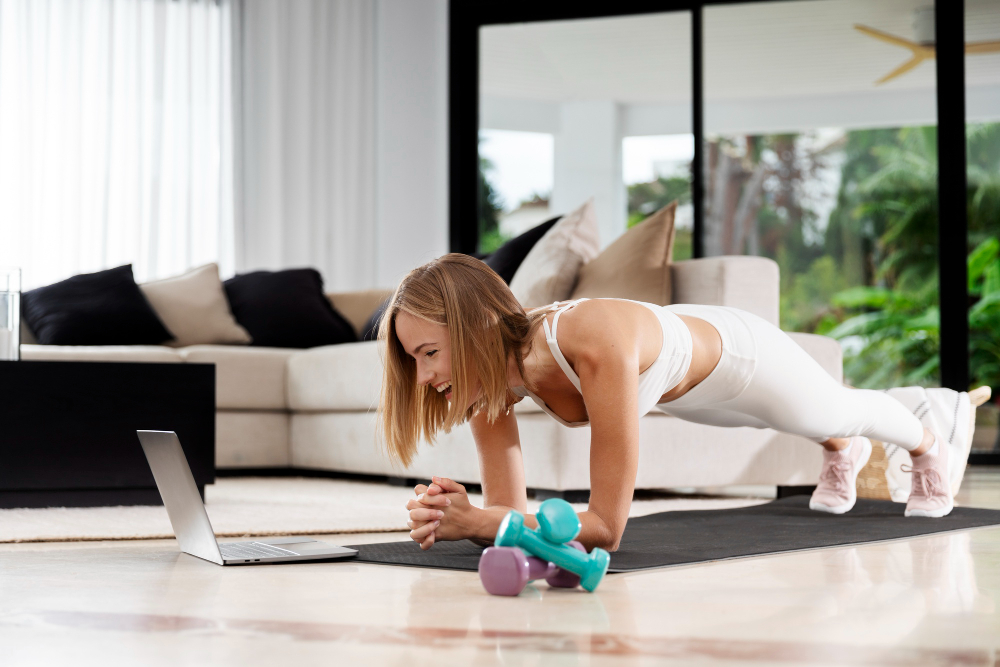
Working out at home has become a common part of an active lifestyle. It offers flexibility, saves time, and allows training to be adapted to individual needs. When set up correctly, home workouts can be fully effective and deliver long-term results—whether the goal is improving fitness, building strength, or supporting overall health.
Why Home Workouts Make Sense
The main advantage of exercising at home is the ability to train at any time, without commuting or relying on gym equipment. This makes it easier to maintain consistency, which is the key to progress. Home workouts also allow you to focus on proper technique and your own pace without external distractions.
How to Start Working Out at Home
A realistic approach is the foundation of success. Home training does not require complex equipment or long workout sessions. Consistency and proper exercise execution are more important than duration. To get started, it is enough to schedule a few shorter workouts per week and gradually increase their intensity according to your abilities.
The environment also plays an important role. A small space where you can move freely and focus on training is sufficient. Comfort and a calm atmosphere help maintain motivation and create a stronger connection to the workout itself.
What Types of Exercise Are Suitable for Home Workouts
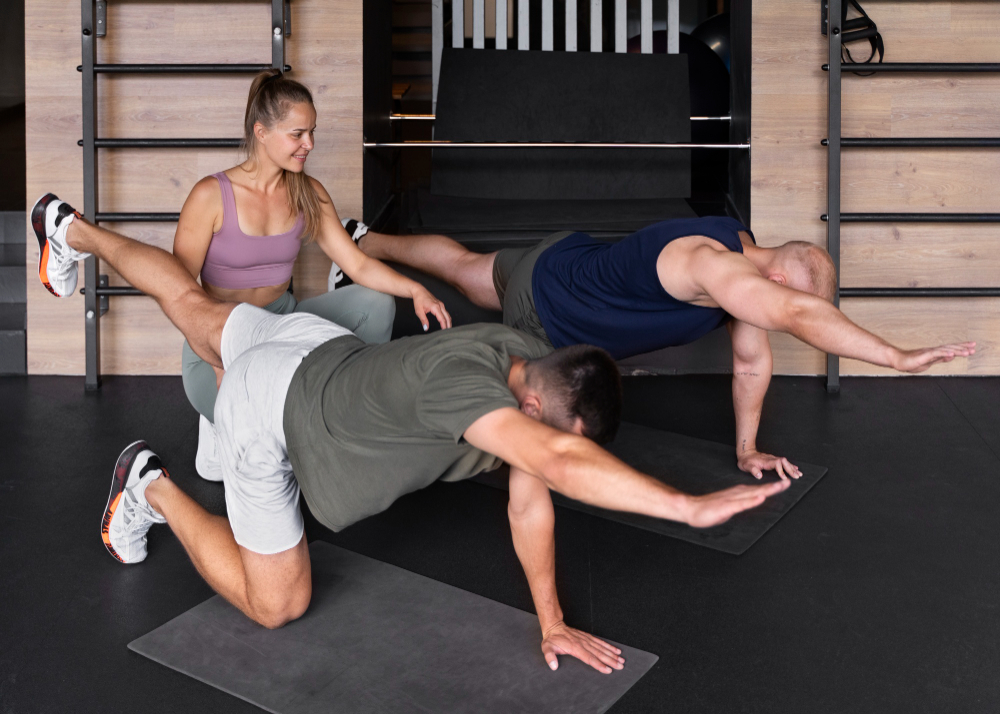
Home workouts are ideal for bodyweight training. This type of exercise engages multiple muscle groups at once and supports coordination and stability. In addition to strength exercises, conditioning workouts focused on endurance and overall mobility also have an important place.
Listening to your body’s signals and adjusting the load to your current fitness level is essential. Gradual progression is more effective than sudden or extreme changes.
How to Stay Motivated When Training at Home
One of the challenges of home workouts is maintaining long-term motivation. Having a clear goal helps, as does understanding that even short workouts are valuable. Regular movement gradually becomes a natural part of daily life and brings not only physical but also mental benefits.
Tracking progress can further boost motivation. Improvements may not be immediately visible on the scale, but they often show up as better overall well-being, increased strength, or higher energy levels throughout the day.
The Role of Recovery and Nutrition
As with gym training, recovery is an essential part of the process when exercising at home. Adequate sleep, balanced nutrition, and regular rest allow the body to adapt to training stress and improve performance.
Nutrition should match training goals. A sufficient intake of quality nutrients supports muscle recovery and overall vitality, which positively affects the effectiveness of home workouts.
Summary
Home workouts are an accessible and effective way to improve fitness and health. They do not require special equipment or complicated plans, but rather consistency, a sensible approach, and patience. When set up correctly, home training can be sustainable in the long term and deliver real results.