Protein Intake: A Key Factor for Fat Loss and Muscle Growth

Protein intake plays a crucial role in both weight loss and muscle building. Proteins help protect muscle mass during a calorie deficit and support recovery after training. If the goal is to lose fat while improving body composition, properly adjusted protein intake is one of the key factors for long-term success.
Why Protein Is Important During Weight Loss
When losing weight, the body draws energy from stored reserves. Without sufficient protein intake, muscle mass can be lost, which slows down metabolism and negatively affects long-term results. Protein contributes to a feeling of fullness and helps maintain stable energy levels throughout the day.
Adequate protein intake therefore supports fat loss without unnecessary muscle loss.
How Much Protein Per Day When Combining Fat Loss and Muscle Growth
The optimal amount of protein depends on body weight, physical activity level, and overall energy intake. When aiming to lose fat while building or maintaining muscle, a commonly recommended intake ranges from approximately 1.6 to 2.2 grams of protein per kilogram of body weight per day.
This amount provides the body with enough building material for muscle recovery while helping preserve lean mass even during a mild calorie deficit. Higher protein intake does not automatically lead to better results unless it is aligned with training and overall lifestyle.
Protein Distribution Throughout the Day
It is not only the total amount of protein that matters, but also how it is distributed. Regular protein intake throughout the day supports consistent recovery and more efficient nutrient utilization. Including protein in every main meal helps maintain satiety and stable energy levels.
After physical activity, protein intake is especially important, as the body is most responsive to muscle repair and regeneration during the post-workout period.
Natural Protein Sources and Dietary Supplements
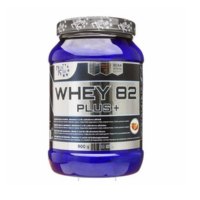
Protein can be obtained from whole foods as well as dietary supplements. High-quality foods should form the foundation, as they provide not only protein but also other essential nutrients. Dietary supplements can be a practical tool in situations where it is difficult to meet protein needs through food alone.
Supplements should always be viewed as a complement, not a replacement, for a varied and balanced diet.
Common Mistakes in Protein Intake
Common mistakes include consuming too little protein during weight loss or, on the other hand, significantly increasing protein intake without considering total energy intake. A balanced ratio of protein, carbohydrates, and fats is essential for a sustainable and long-term approach to nutrition.
Summary
When aiming to lose fat while building or maintaining muscle, protein plays a key role. Adequate and regular protein intake supports muscle preservation, recovery, and satiety. The ideal intake typically falls between 1.6 and 2.2 g of protein per kilogram of body weight per day, always within the context of overall lifestyle and training habits.